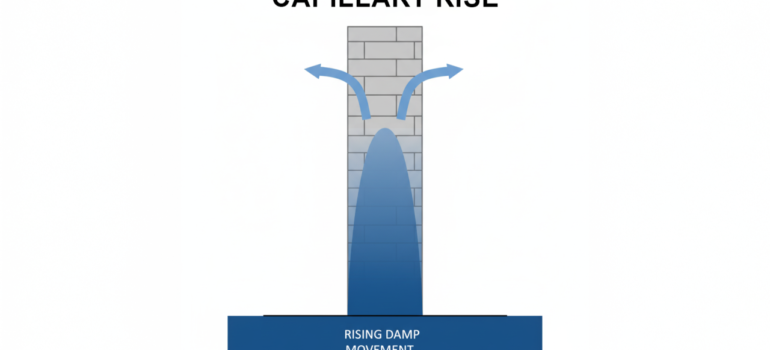
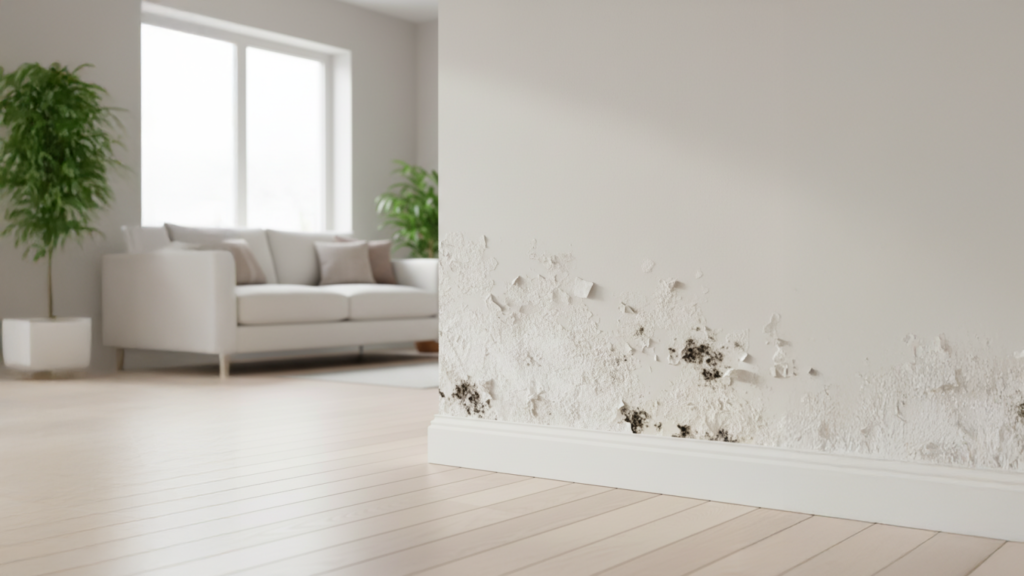
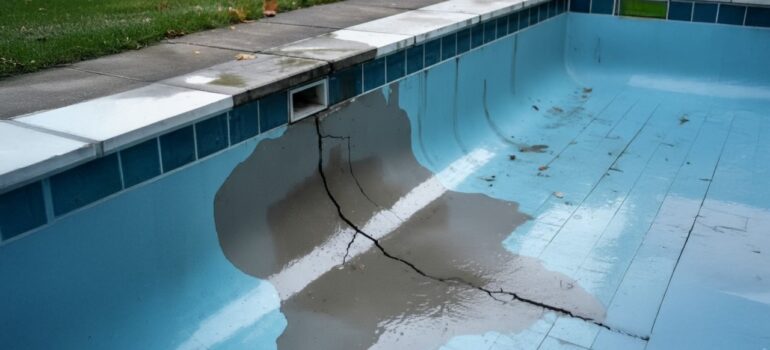
Capillary rise is a natural yet destructive process that occurs when water travels upward from the ground into masonry and concrete using very fine pores, similarly to how oil travels up a wick. It may not look threatening at first, but the water is quietly working to damage your walls and finishes, and over time, will result in damp patches, flaking paint, mold, and white salt stains that spoil the aesthetics of your home and compromise its structural integrity.
The Hidden Damage to Your Building
When moisture is allowed to penetrate from the bottom up, it will weaken the plaster, degrade the paint, and contribute to efflorescence. Trapped moisture promotes the presence of mould and mildew, and subsequently, unhealthy living conditions. And long-term trapped moisture can damage embedded steel and reduce the load-bearing capacity of the entire building. In short, what starts as a little discoloration on the wall will manifest into a big structural problem if left unattended.
Why Prevention at the Construction Phase is Important
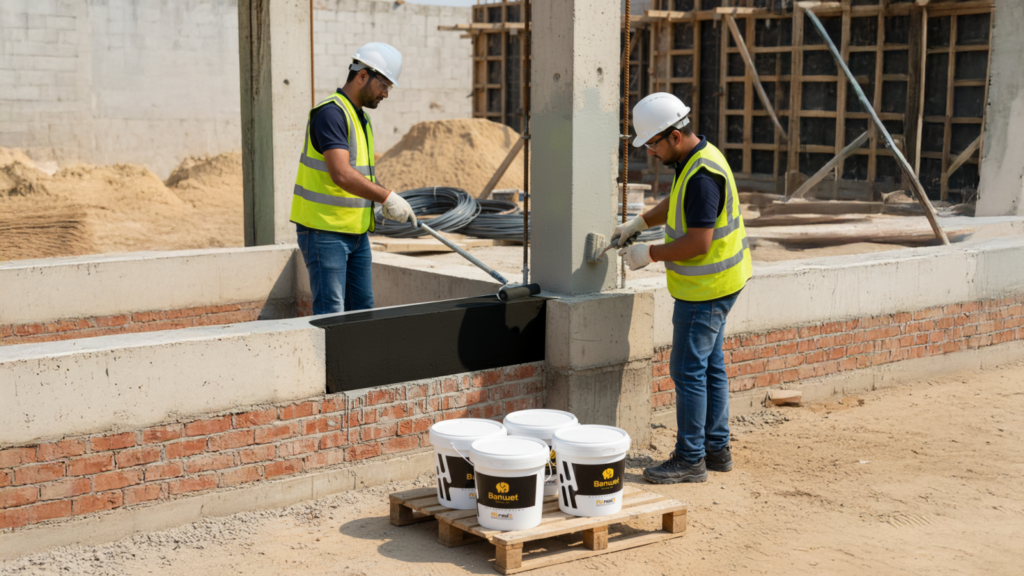
Once moisture is present, fixing it is as effective as placing a band-aid on a deep wound. The source of the moisture is still there, leading to the issue returning. The only solution is professional waterproofing at the construction phase. The use of damp-proof courses (DPCs), waterproof membranes, or modern admixture systems is part of the continuous barrier constructed against rising moisture. This makes sure that your house stays dry and your investment is protected for decades.
The Smart Financial Decision
Preventive waterproofing isn’t another expense; it is saving money in the long term. The repairs to capillary rise after damage occurs cost considerably more than the preventive options available in the construction phase. It can cost you three to five times as much more than when the waterproofing options were available. Not only are you paying these avoidable costs, but also the cost to repaint, replaster, and the direct and indirect costs to your health caused by exposure to mould. Waterproofing well can, in fact, add 20 to 30 years of life to a structure.
Shield Your Home Before It Requires Saving
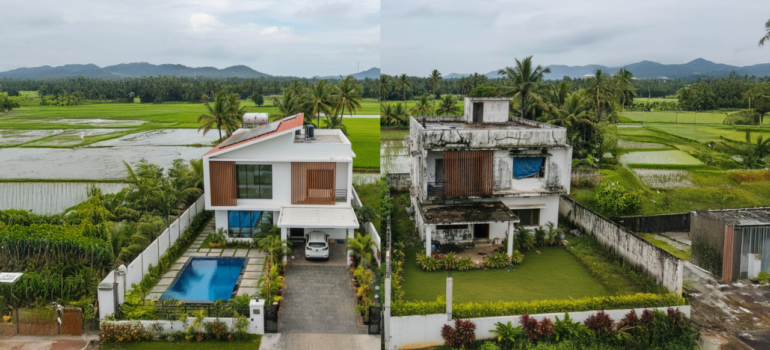
You may think of capillary rise as a disease that moves silently up from the floor. When it moves into your wall, there is no surface treatment that will ever permanently stop it. When you choose the professional waterproofing route right from the very beginning of the build, you are protecting your dream home from dampness, damage, and added expense. Because a smart building isn’t only about how good your home looks, it is about how long your home stays strong.
Protect your building from rising damp and moisture damage with Banwet’s Dam Guard — a reliable waterproofing solution designed to block capillary moisture in walls. Learn more:https://banwet.com/foundation/
When we consider the quality, design, and appearance of a building, waterproofing often sits quietly in the background, out of sight. But can you belittle its importance? Neglecting this prominent aspect of a building can cost significantly more than the health of that structure; saying no to waterproofing will ultimately devalue the property over time.
Water Damage Has a Hidden Cost
Water is a brutal force of nature. Water will invade and exploit any weakness with cumulative effect, whether it is coming through ceilings, walls, terraces, or basements. Even a small amount of unnoticed water leakage can:
Deteriorate structures
Lead to mold, dampness, or corrosion.
Damage finishes, fixtures, and interiors
This is a value problem, not just a maintenance issue for architects, engineers, contractors, and builders. A building that is damaged by water ingress is difficult to sell or lease, and often comes with a repair cost, which reduces its overall market value.
Why Caring Matters to the Professionals
A building’s durability depends on how well it can handle environmental challenges. Proper waterproofing:
Protects foundations, terraces, and other integral structures
Keeps the integrity of the interiors and finishes
Encourages longevity, durability, and client satisfaction
Neglecting to thoughtfully incorporate waterproofing into your structure is no longer something you can leave to chance; it’s a liability that erodes ROI, client confidence, and your overall reputation.
Strategic Waterproofing for Long-Term Value
Effective waterproofing starts at the design stage and moves to construction and maintenance:
Specify low-permeability materials and select appropriate admixtures.
Pay close attention to joints, pipe penetrate, and expansion conditions.
Utilize tested coatings and membranes to achieve long-lasting performance.
Test structures and monitor their performance on a continuous basis.
When architects and engineers make a proactive and expert-led effort, not only do they avoid costly repairs, but they also protect property value, if not add to it.
The Bottom Line
Waterproofing is more of a value-preserving strategy than a technical requirement. If you ignore waterproofing today, tomorrow your building, and therefore your client’s investment will pay the price.
If you are interested in prudent waterproofing practices and solutions, reach out to Banwet, the waterproofing expert!
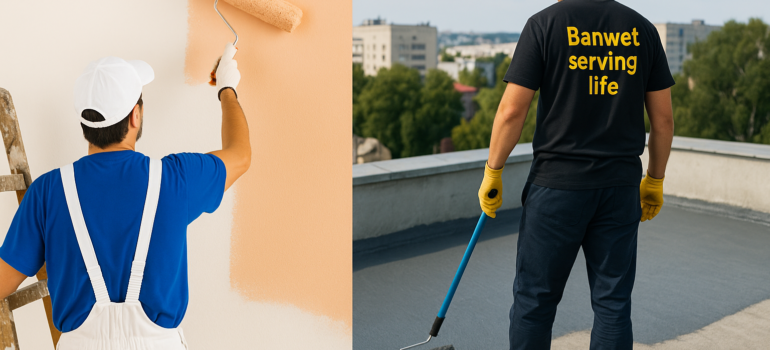
In modern construction and renovation, painting and waterproofing are omnipresent finishing operations. Paint changes surfaces visually—adding character, mood, and style—and waterproofing defends those same surfaces from moisture penetration, UV radiation, and weathering. While most people confuse these operations, they play very different functions: painting is largely visual, while waterproofing is inherently protective. Knowing these functions assists property owners, engineers, and contractors in maximizing beauty and longevity in their projects.
Basics of Paints and Waterproofing
What are Paints: Cosmetic Emphasis
A paint is largely a cosmetic coating placed on surfaces for the purpose of improving their beauty. Paints generally consist of pigments for color, binders for holding on to surfaces, solvents to give them fluidity, and additives for desired properties such as increased drying speed. While some paints do have some protection against UV or low levels of moisture, these are more than eclipsed by the protections that specialized waterproofing products can give.
Defining Waterproofing: Protective Imperative
Waterproofing is the pinnacle of structural integrity maintenance. Its main role is to seal or repel water from a substrate—most commonly concrete—and inhibit penetration that causes cracks, mold, and eventual structural collapse. High-performance materials such as polyurethane coatings inhibit UV damages to concrete and serve as a protective cover against leaks, cracks, and waterborne damages. By reflecting the sun, these coatings also decrease thermal stress on the substrate, offering dual functions against heat and rains.
Why Both Are Important in Contemporary Building
Painting and waterproofing have both become more important to architects and builders. Painting provides color and visual consistency, essential for brand recognition and occupant satisfaction. Waterproofing keeps the building stable and resistant to environmental assaults, such as UV rays that break down unprotected surfaces. Using both results in a balanced, high-stability building that withstands weather extremes while still having an attractive appearance.
A Brief History of Protective and Decorative Coatings
Evolution of Painting in Architecture
In the past, painting served an ornamental purpose: early civilizations applied natural pigments to decorate temples and monuments. Through the centuries, paint recipes developed to include chemicals and synthetic binders to increase colorfastness and durability. Modern architectural paints provide extensive color offerings, surface sheens, and special effects such as texture or metallic finishes, yet are mostly aesthetic.
Emergence of Waterproofing Solutions
Waterproofing, on the other hand, was always driven by functional need—from the bitumen applied to ancient Babylonian buildings to sophisticated polyurethane membranes. The early remedies such as tar or pitch were crude but effective at stopping water from entering foundations or roofs. Advanced chemical engineering has optimized these approaches to synthetic polymers (such as polyurethanes) that create durable layers able to both stop water and UV attacks directly onto concrete. In the past century, it has become apparent that painting and waterproofing share synergy, yet each has its own distinct orientation.
Key Distinctions Between Waterproofing and Painting
Chemical Composition and Goals
Paints consist mainly of pigments, binders (usually acrylic or latex for water-based paints), and additives providing sheen or drying characteristics. They are meant to add aesthetics, although there are specialty paints that provide fair resistance to UV or moisture.
Waterproofing products, by contrast, are resinously filled with elastomers, polymers (such as polyurethane), and dedicated fillers. They aim to form a physical or chemical barrier to water penetration. Some solutions also contain UV stabilizers that reflect or absorb damaging ultraviolet radiation—shielding the surface itself and the waterproof layer from photodegradation.
Performance Criteria: Beauty vs. Barrier
The performance of a paint is tested in terms of color retention, consistency, and its capacity to conceal defects. Waterproofing products, on the other hand, are tested for water resistance, flexibility, tensile strength, and reflectivity from UV. This highlights a fundamental difference in their operational purposes.
Durability Under UV Rays and Moisture
Plain exterior coatings do fade or chalk with the passage of time when they are exposed to direct UV radiation, particularly if they are not specially made. Although high-quality exterior paints do have UV-resistant additives, they rarely achieve the protective performance of polyurethane coatings that actively prevent water penetration and inhibit concrete degradation.
Common Application Areas
· Painting: Interior and exterior walls, trim, decorative surfaces, focus on getting a good finish.
· Waterproofing: Basements, foundations, terraces, bathrooms, or roofs—where structural integrity and avoiding leaks are most important. Polyurethane, in fact, finds widespread application on roofs to battle heat and rain at the same time.
Painting: The Aesthetic Coating
Role of Paints in Enhancing Appearance
Paint is the initial impression of any structure. Color, texture, and finish define the architectural aesthetic—modern simplicity or country quaintness. Interior paints are a matter of occupant taste, while exterior paints assist in blending buildings into their surroundings or corporate identity. While painting can cover minor imperfections, its greatest asset is visual change.
Selection Criteria: Pigments, Binders, and Sheen
1. Pigments: Supply color and coverage. High-quality pigments guarantee fade resistance when exposed to moderate UV radiation.
2. Binders: Generally acrylic or vinyl, binders control paint adhesion and film formation.
3. Sheen: Gloss, semi-gloss, or matte sheens produce varying aesthetic appearances and ease of cleaning.
In exterior use, the selection of UV-resistant paints will postpone fading. Such coatings, though, tend to remain less protective than dedicated polyurethane or elastomeric membranes in terms of water infiltration.
Paints Under UV Exposure
Ultraviolet light progressively degrades binders and destabilizes some pigments. Fading, chalking, and slight surface cracking are typical consequences. While numerous contemporary exterior paints include UV-protectant additives, they do not usually provide the significant infiltration barrier or reflection that polyurethane treatments deliver.
Maintenance and Recoating Cycles
Despite sophisticated formulations, paint must periodically be recoated—frequently every 3–5 years on exteriors, although this is weather, color, and quality dependent. Warmer temperatures speed up paint degradation, particularly under intense UV exposure. On-time recoating preserves a building’s visual appeal but doesn’t significantly deter or correct problems such as leaks or further structural cracking.
Waterproofing: The Protective Coating
Basic Significance of Waterproofing
Water entry weakens structural stability, causing cracks, mold, and corrosion of reinforcement. Waterproofing, therefore, is not only a discretionary finish but a necessity in engineering. An executed waterproofing system protects substrates—especially concrete—from UV and water attacks, directly safeguarding them for many years.
Threats: Ultra Violet Rays Damages to Concrete
Concrete is seen as robust, but UV light destroys some of the chemical bonds in its outer layers, particularly if there is no protective coating. The radiation of the sun can make micro-cracks or bleach any pigmented or aesthetic overlay. As soon as microscopic pathways become available, rain or seepage can speed up more severe structural damage.
Protection of Polyurethene Coating: A Barrier Against Leaks, Cracks, and Waterborne Damages
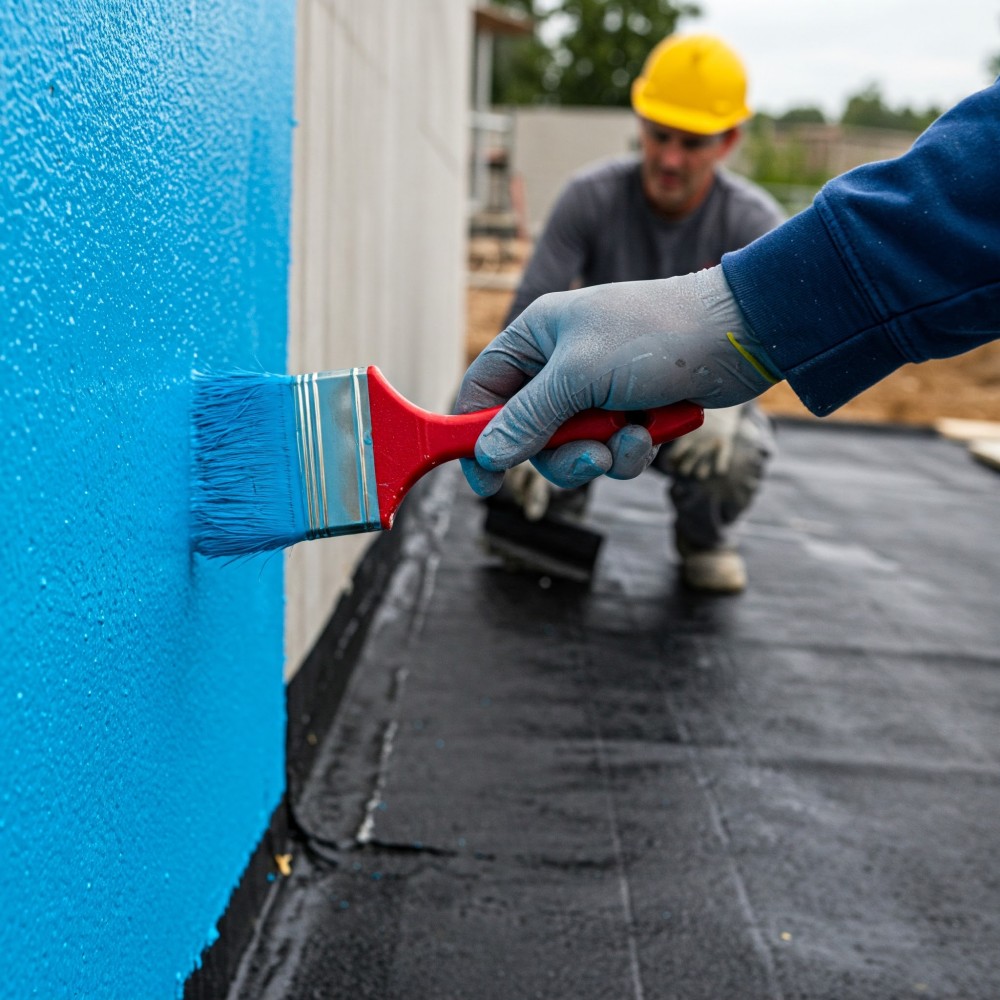
Polyurethane coatings are unrivaled among waterproofing coatings, owing to characteristics such as flexibility, elevated stability, and chemical resistance. Applied over a primed clean surface, polyurethane is a continuous film that spans over hairline fissures and impedes water intrusion. The high reflective index present in advanced polyurethane systems also helps to reflect UV light, thereby also serving as an insulating visible barrier. The synergy effectively:
· Isolates water from penetrating through micro-fissures.
· Protects the underlying concrete from solar radiation.
· Reduces thermal expansion due to severe sunlight.
Reflection of Sunlight and UV Rays by the Polyurethene Coating
One of the main innovations in current waterproofing is the addition of UV-reflective particles into the polyurethane matrix. This reflection:
· Reduces surface temperature on roofs or terraces, lowering thermal stress.
· Slows the rate of photo-degradation for the coating itself.
· Helps in energy savings by reducing heat absorption.
Multiple Use for Heat and Rains
In addition to repelling water, the reflective property of polyurethane makes it ideal for fending off excessive heat—a feature prevalent in summer. The two properties come in handy, particularly for rooftops or exposed terraces, where the coat withstands scorching sunshine and torrential rains, maintaining the functional integrity of the concrete.
Excellent Durability, High Stability, and High Reflective Index
The chemistry of polyurethane gives it a long service life, particularly if used correctly. Its elasticity allows for small structural movement without cracks in the membrane. Coupled with a high reflective index, it offers a multi-faceted solution that repels water and UV attacks directly to the substrate. Overall, polyurethane is a powerful waterproofing and protective solution that outshines painting in structural protection.
Interplay of Painting and Waterproofing in Construction
Layering Strategy: Protective First, Aesthetic Second
The best strategy is to apply waterproofing coatings initially—on new concrete or cleaned surfaces—and later paint or use decorative finishes. This protects the building from inside out.
· Example: A roof can be given a polyurethane waterproof membrane and then a UV-stable paint if color or certain design requirements are needed.
· Result: The design remains secure from penetration while still achieving the intended visual flair.
Complementary Roles in Building Endurance
Painting by itself provides very little protection against moisture, whereas a waterproof membrane by itself may not be aesthetically pleasing. Through their combination, owners benefit from both the visual appeal and substantial durability against the elements.
Bypassing Popular Misconceptions
A few think one application of waterproof paint is the answer to all infiltration problems. In practice, real effective waterproofing systems are often based on professional membranes or elastomeric coatings such as polyurethane. Typical decorative paints sold as “weatherproof” may suffice with light conditions but do not constitute effective protective means for heavy rainfall or high UV.
Conclusion
Painting and waterproofing share a common trait: they both involve applying a coating. Yet their aims and outcomes diverge sharply. Painting is about aesthetics—transforming surfaces with pleasing hues or creative finishes—while waterproofing is about protection, specifically against UV rays, moisture infiltration, and environmental degradation.
For concrete-constructed structures, or even others with substrates other than concrete, having a protective membrane—more so based on polyurethane—is the key to leakage, cracking, and other water-borne damage prevention. Having multiple functions to perform with regards to heat and rains, such coatings have remarkable durability, superior stability, and innovative features such as UV Rays reflection from the building surface. When blended judiciously with a decorative paint coating, structures realize both an aesthetically pleasing surface and a strong protection from environmental factors.
Summer is found to be the ideal season in which to install waterproofing measures because of the dryness and elevated temperatures favoring rapid curing and maximum adhesion. Alternatively, wet or cold conditions predispose to imperfect bonding or the entrapment of moisture behind the membrane.
In the end, painting and waterproofing are both critical components of contemporary construction. Knowing they are distinct means stakeholders apply the correct solution in the correct instance—beauty where beauty is wanted, protection where protection is required. Well-applied, they work in concert to maintain our built environment’s longevity, functionality, and appeal for decades to come.
Water damage doesn’t knock. It creeps, seeps and spreads silently.
From minor cracks in a foundation to the slow stain on a ceiling, it is typically after the damage is done, we notice the signs of trouble.
At Banwet we have seen this too many times – in residential homes, commercial sites and infrastructure projects. Water infiltration is not an annoyance, it is a structural threat, and most of the time it is completely avoidable.
The Hidden Cost of Delay
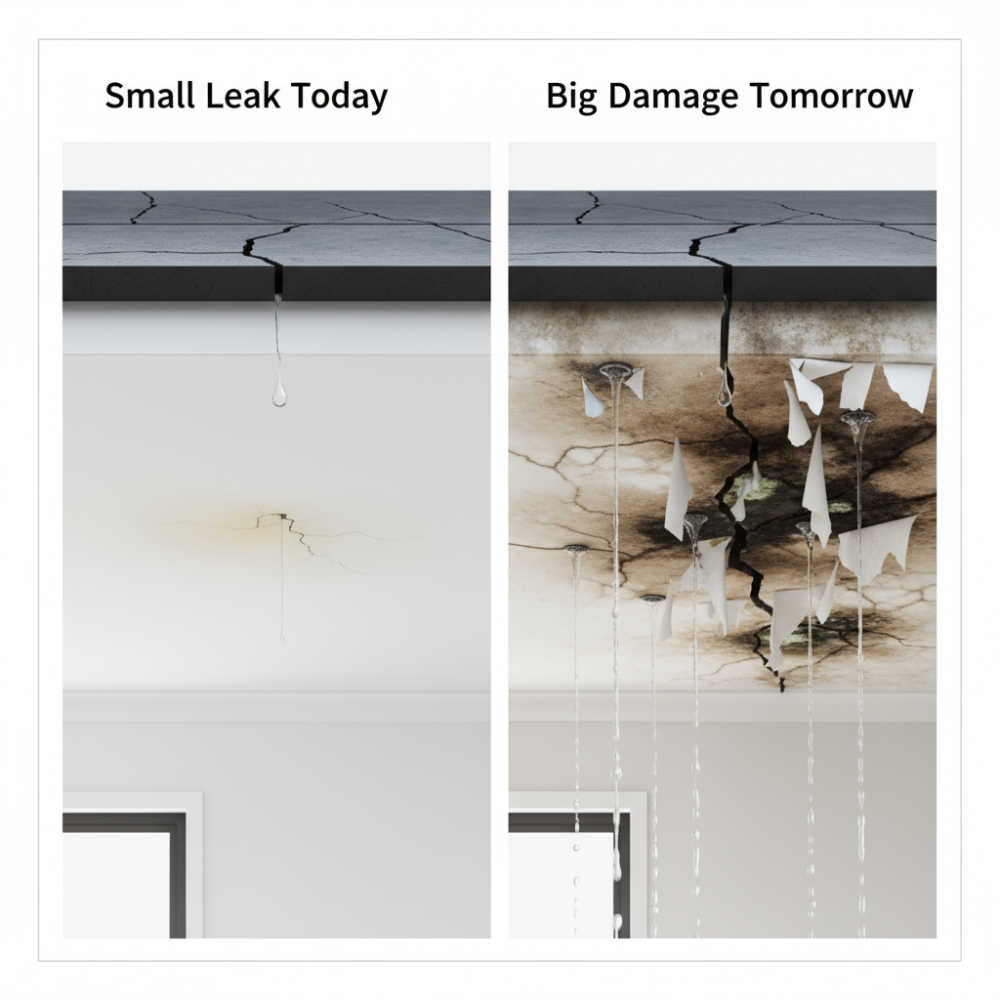
A small leak today turns into a major repair tomorrow.
Water will get through walls, rust steel, deteriorate concrete and foster mould and mildew, if you don’t intervene. In the end, it undermines the very durability and integrity of your building.
To fix things properly, you will spend on average two to five times the amount you would have spent if you waterproofed.
So, what’s the answer?
Consider Waterproofing as a Form of Insurance for Your Structure
Engineers and architects understand this: water acts like a solvent. Material that you expect to remain solid and stable will deteriorate over time. That’s where Banwet comes in. We have waterproofing systems, with a proven track record, to protect your buildings from the ground up.
For example, you could be:
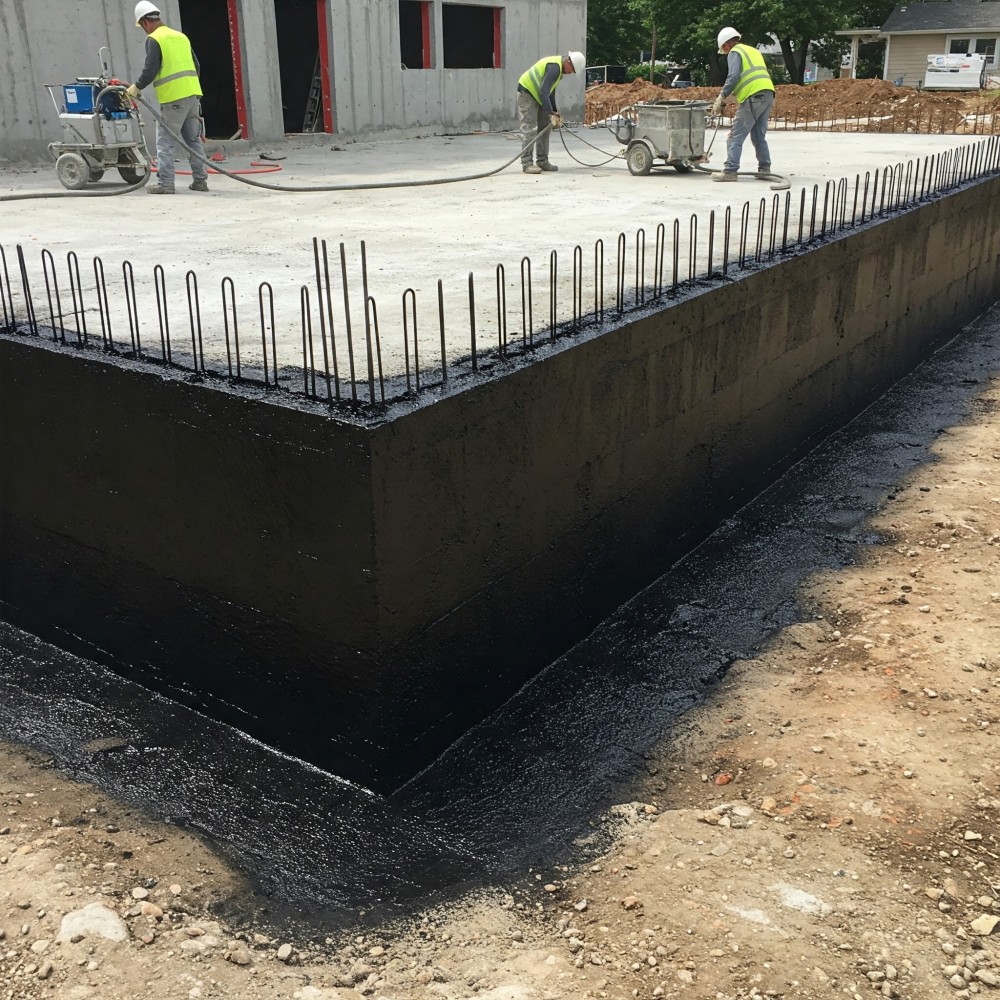
Preparing your new foundation for multi-storey buildings
Protecting your basements from seepage
Improving the performance of your terrace slabs
Lining your water tanks and wet areas
We design our solutions to be used when future matters to you.
Why Do Industry Professionals Trust Banwet?
Fitting Solutions to Suit your Specific Criteria – No two sites are the same. Depending on the site nature, purpose and specified material, we will assess, test, and recommend solutions that will fit your project and offer the best performance. Real-World Testing – Our products through many years, and together with countless professional partnerships, have not only been lab tested, they have survived monsoons, groundwater pressures, and decades of wear. Technology Implemented with Applied Practical Experience – Our trained applicators under the modern delivery systems enables us to maximise durability and mitigate error associated with human application. Partner and Not Just Another Vendor – We seek to be involved with your design team to ensure waterproofing is included but not supplementary.
What matters
As a builder or designer, performance is what earns you a reputation. So don’t let water be the reason it all comes crashing down. Waterproofing isn’t just one thing to factor into your budget. Waterproofing is the unsung hero of your work. At Banwet, we don’t just waterproof your works – we protect your trust. Are you an architect, engineer, or contractor with an interest in building for the long-haul? Join and follow our page for wisdom, case studies and waterproofing tips that allow you to work smarter.
Water is a necessity but storing it in a safe manner is more than obtaining a tank or a pool. A tank or pool can appear safe without proper waterproofing, but it could quickly lead to a structural and financial disaster. Here are a few reasons every tank and pool will benefit from an expert waterproofing solution.
How Can That Small Crack Cause Problems?
A tiny crack in a tank or pool can provide an escape route, and water can erode concrete slabs or accelerate corrosion on steel reinforcement. Hydrostatic pressure is constantly pushing against walls, and without a proper waterproofing system, your structure can suffer long-term damage.
Leaks Are Not Just Irritating; They Are Expensive.
From the groundwater pressure on in-ground water tanks to thermal stress on rooftop pools, water will find its way through any defect. Every leaking incident involves wasting your water and/or damaging adjacent buildings. An investment in waterproofing will act exactly the same as an insurance policy for your water and your building.
The Importance of Clean Water to a Healthy Life
It’s one thing to damage walls and surfaces because of seepage, but it’s something much worse when hygiene is compromised. Watering soil or external contaminants can easily find their way into a tank, contaminating the drinking supply. A leaking pool can destroy living space and lead to mold. Waterproofing will provide peace of mind that your water supply and your health will remain intact.
Act Now to Save for Later
Leaking is expensive to repair, sometimes four or five times the cost of preventive waterproofing. Tanks and pools that are waterproofed stay intact longer and incur less frequent maintenance costs. The waterproofing literally pays for itself after a manageable expense.
Every Tank and Pool Has a Challenge
Ground-level tanks are challenged by the pressure and moisture of soil, while rooftop tanks are challenged by ultraviolet rays, extremes of temperature, and shrinkage cracks. All of these challenges require a specific solution adapted to the tank’s risk. Flexible, UV stabilized, and permanent waterproofing membranes can ensure all levels are protected.
Make Every Drop Worth Its Weight
Manage your water like the valuable asset that it is; it’s all too easy to lose that value when a simple crack dispenses your investment in safety, hygiene, and comfort. Waterproofing assures all your tanks and pools won’t leak, will stand the test of time, and will be ready for you and your family or business for many years to come.
Don’t leave water protection to chance; make it a non-negotiable priority.
For more insights on protecting your water tanks and pools, and to discover smart waterproofing solutions, connect with Banwet today.