
Rising Damp in Buildings: The Invisible Moisture That Weakens Your Home
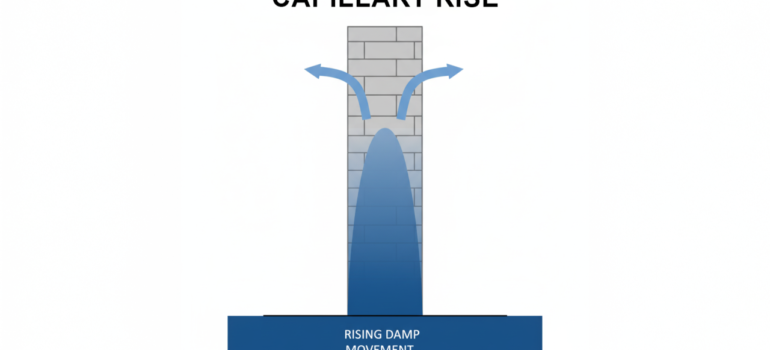
Capillary rise is a natural yet destructive process that occurs when water travels upward from the ground into masonry and concrete using very fine pores, similarly to how oil travels up a wick. It may not look threatening at first, but the water is quietly working to damage your walls and finishes, and over time, will result in damp patches, flaking paint, mold, and white salt stains that spoil the aesthetics of your home and compromise its structural integrity.
The Hidden Damage to Your Building
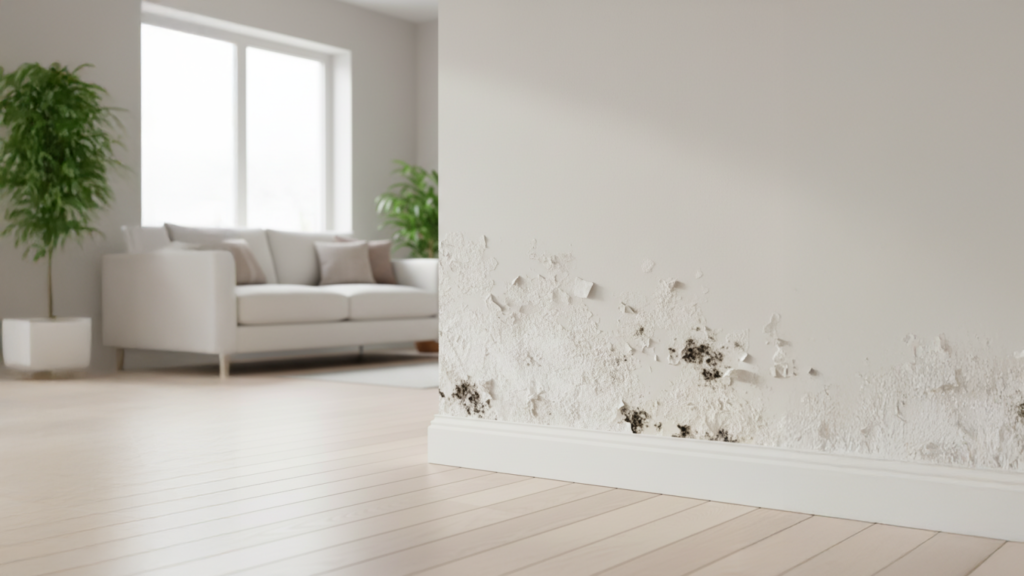
When moisture is allowed to penetrate from the bottom up, it will weaken the plaster, degrade the paint, and contribute to efflorescence. Trapped moisture promotes the presence of mould and mildew, and subsequently, unhealthy living conditions. And long-term trapped moisture can damage embedded steel and reduce the load-bearing capacity of the entire building. In short, what starts as a little discoloration on the wall will manifest into a big structural problem if left unattended.
Why Prevention at the Construction Phase is Important
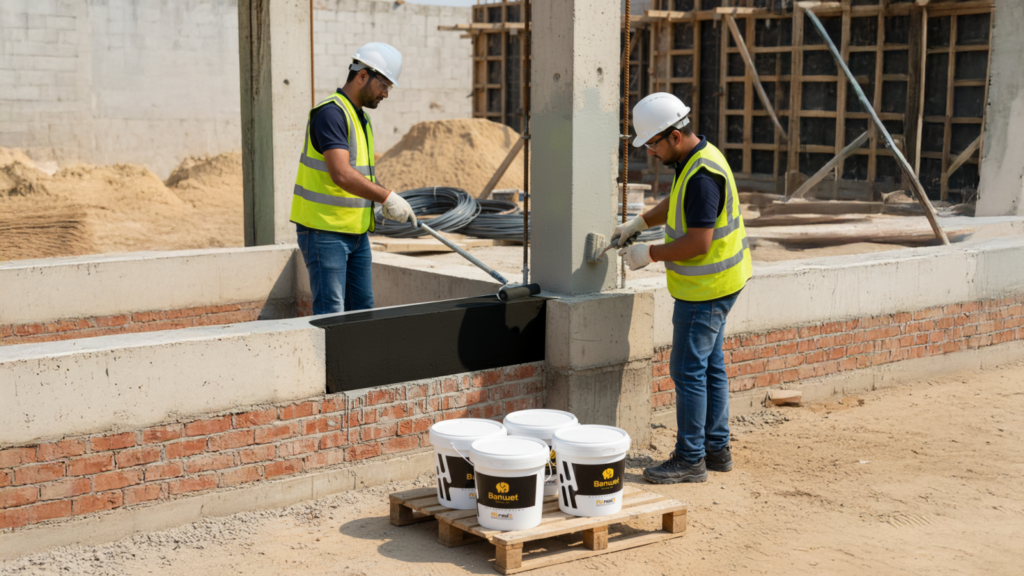
Once moisture is present, fixing it is as effective as placing a band-aid on a deep wound. The source of the moisture is still there, leading to the issue returning. The only solution is professional waterproofing at the construction phase. The use of damp-proof courses (DPCs), waterproof membranes, or modern admixture systems is part of the continuous barrier constructed against rising moisture. This makes sure that your house stays dry and your investment is protected for decades.
The Smart Financial Decision
Preventive waterproofing isn’t another expense; it is saving money in the long term. The repairs to capillary rise after damage occurs cost considerably more than the preventive options available in the construction phase. It can cost you three to five times as much more than when the waterproofing options were available. Not only are you paying these avoidable costs, but also the cost to repaint, replaster, and the direct and indirect costs to your health caused by exposure to mould. Waterproofing well can, in fact, add 20 to 30 years of life to a structure.
Shield Your Home Before It Requires Saving
You may think of capillary rise as a disease that moves silently up from the floor. When it moves into your wall, there is no surface treatment that will ever permanently stop it. When you choose the professional waterproofing route right from the very beginning of the build, you are protecting your dream home from dampness, damage, and added expense. Because a smart building isn’t only about how good your home looks, it is about how long your home stays strong.
Protect your building from rising damp and moisture damage with Banwet’s Dam Guard — a reliable waterproofing solution designed to block capillary moisture in walls. Learn more: https://banwet.com/foundation/