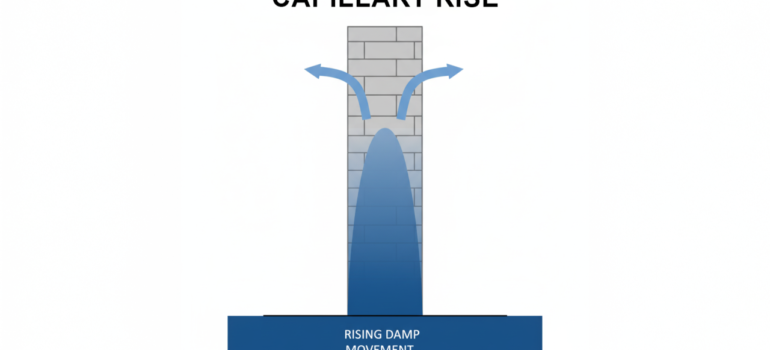
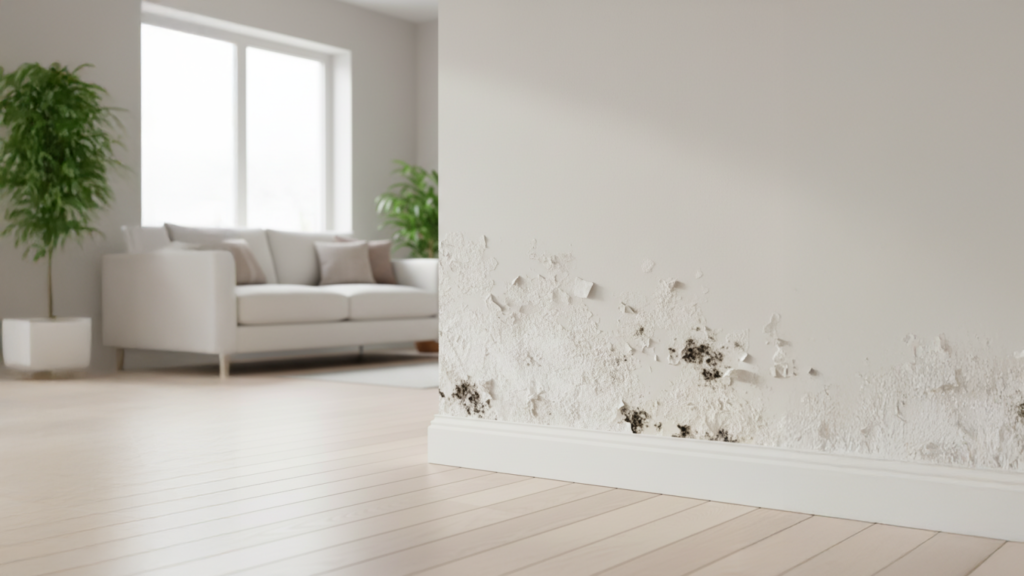
Capillary rise is a natural yet destructive process that occurs when water travels upward from the ground into masonry and concrete using very fine pores, similarly to how oil travels up a wick. It may not look threatening at first, but the water is quietly working to damage your walls and finishes, and over time, will result in damp patches, flaking paint, mold, and white salt stains that spoil the aesthetics of your home and compromise its structural integrity.
The Hidden Damage to Your Building
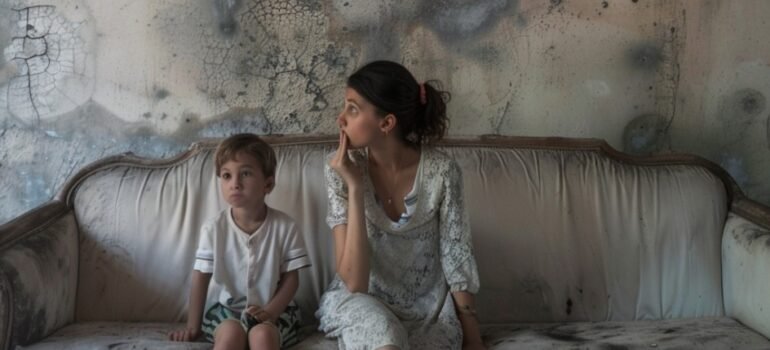
When moisture is allowed to penetrate from the bottom up, it will weaken the plaster, degrade the paint, and contribute to efflorescence. Trapped moisture promotes the presence of mould and mildew, and subsequently, unhealthy living conditions. And long-term trapped moisture can damage embedded steel and reduce the load-bearing capacity of the entire building. In short, what starts as a little discoloration on the wall will manifest into a big structural problem if left unattended.
Why Prevention at the Construction Phase is Important
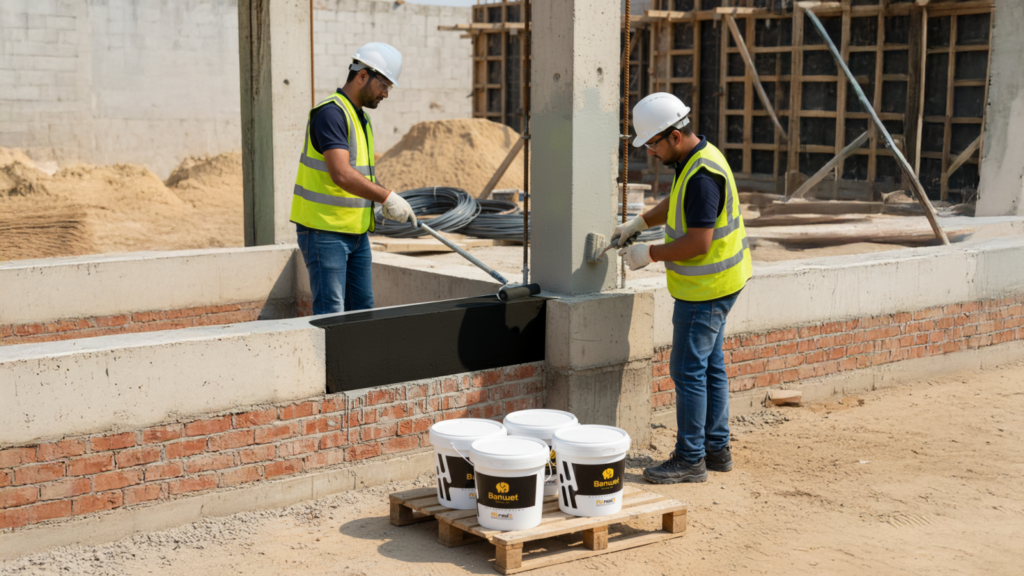
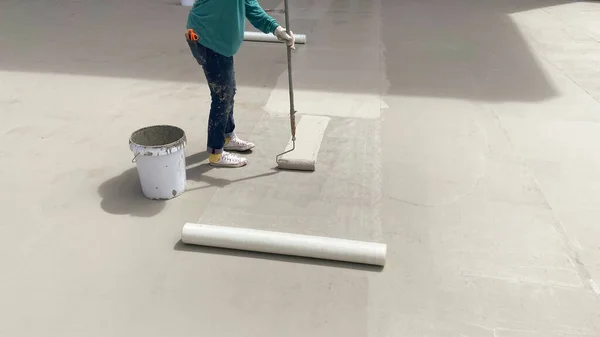
Once moisture is present, fixing it is as effective as placing a band-aid on a deep wound. The source of the moisture is still there, leading to the issue returning. The only solution is professional waterproofing at the construction phase. The use of damp-proof courses (DPCs), waterproof membranes, or modern admixture systems is part of the continuous barrier constructed against rising moisture. This makes sure that your house stays dry and your investment is protected for decades.
The Smart Financial Decision
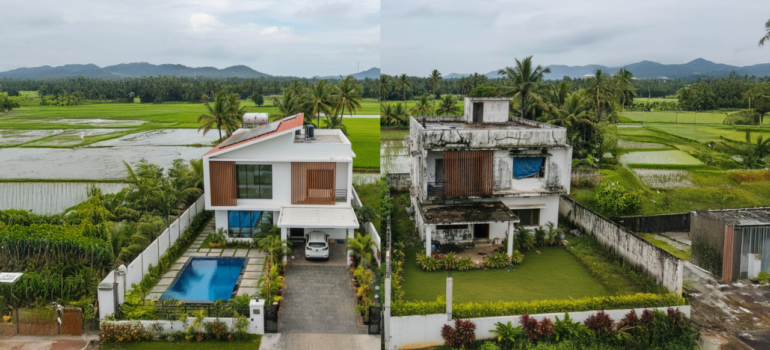
Preventive waterproofing isn’t another expense; it is saving money in the long term. The repairs to capillary rise after damage occurs cost considerably more than the preventive options available in the construction phase. It can cost you three to five times as much more than when the waterproofing options were available. Not only are you paying these avoidable costs, but also the cost to repaint, replaster, and the direct and indirect costs to your health caused by exposure to mould. Waterproofing well can, in fact, add 20 to 30 years of life to a structure.
Shield Your Home Before It Requires Saving
You may think of capillary rise as a disease that moves silently up from the floor. When it moves into your wall, there is no surface treatment that will ever permanently stop it. When you choose the professional waterproofing route right from the very beginning of the build, you are protecting your dream home from dampness, damage, and added expense. Because a smart building isn’t only about how good your home looks, it is about how long your home stays strong.
Protect your building from rising damp and moisture damage with Banwet’s Dam Guard — a reliable waterproofing solution designed to block capillary moisture in walls. Learn more:https://banwet.com/foundation/
When we consider the quality, design, and appearance of a building, waterproofing often sits quietly in the background, out of sight. But can you belittle its importance? Neglecting this prominent aspect of a building can cost significantly more than the health of that structure; saying no to waterproofing will ultimately devalue the property over time.
Water Damage Has a Hidden Cost
Water is a brutal force of nature. Water will invade and exploit any weakness with cumulative effect, whether it is coming through ceilings, walls, terraces, or basements. Even a small amount of unnoticed water leakage can:
Deteriorate structures
Lead to mold, dampness, or corrosion.
Damage finishes, fixtures, and interiors
This is a value problem, not just a maintenance issue for architects, engineers, contractors, and builders. A building that is damaged by water ingress is difficult to sell or lease, and often comes with a repair cost, which reduces its overall market value.
Why Caring Matters to the Professionals
A building’s durability depends on how well it can handle environmental challenges. Proper waterproofing:
Protects foundations, terraces, and other integral structures
Keeps the integrity of the interiors and finishes
Encourages longevity, durability, and client satisfaction
Neglecting to thoughtfully incorporate waterproofing into your structure is no longer something you can leave to chance; it’s a liability that erodes ROI, client confidence, and your overall reputation.
Strategic Waterproofing for Long-Term Value
Effective waterproofing starts at the design stage and moves to construction and maintenance:
Specify low-permeability materials and select appropriate admixtures.
Pay close attention to joints, pipe penetrate, and expansion conditions.
Utilize tested coatings and membranes to achieve long-lasting performance.
Test structures and monitor their performance on a continuous basis.
When architects and engineers make a proactive and expert-led effort, not only do they avoid costly repairs, but they also protect property value, if not add to it.
The Bottom Line
Waterproofing is more of a value-preserving strategy than a technical requirement. If you ignore waterproofing today, tomorrow your building, and therefore your client’s investment will pay the price.
If you are interested in prudent waterproofing practices and solutions, reach out to Banwet, the waterproofing expert!
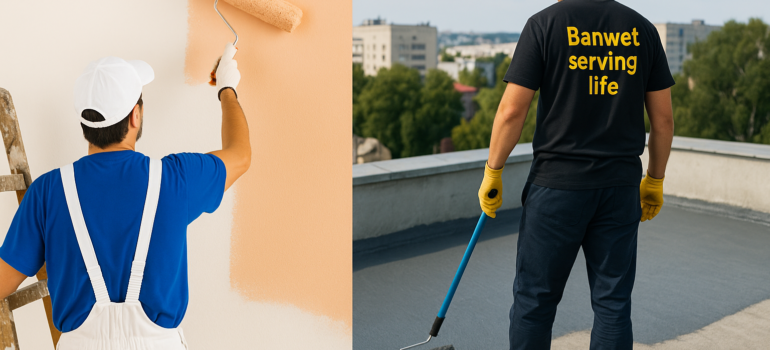
In modern construction and renovation, painting and waterproofing are omnipresent finishing operations. Paint changes surfaces visually—adding character, mood, and style—and waterproofing defends those same surfaces from moisture penetration, UV radiation, and weathering. While most people confuse these operations, they play very different functions: painting is largely visual, while waterproofing is inherently protective. Knowing these functions assists property owners, engineers, and contractors in maximizing beauty and longevity in their projects.
Basics of Paints and Waterproofing
What are Paints: Cosmetic Emphasis
A paint is largely a cosmetic coating placed on surfaces for the purpose of improving their beauty. Paints generally consist of pigments for color, binders for holding on to surfaces, solvents to give them fluidity, and additives for desired properties such as increased drying speed. While some paints do have some protection against UV or low levels of moisture, these are more than eclipsed by the protections that specialized waterproofing products can give.
Defining Waterproofing: Protective Imperative
Waterproofing is the pinnacle of structural integrity maintenance. Its main role is to seal or repel water from a substrate—most commonly concrete—and inhibit penetration that causes cracks, mold, and eventual structural collapse. High-performance materials such as polyurethane coatings inhibit UV damages to concrete and serve as a protective cover against leaks, cracks, and waterborne damages. By reflecting the sun, these coatings also decrease thermal stress on the substrate, offering dual functions against heat and rains.
Why Both Are Important in Contemporary Building
Painting and waterproofing have both become more important to architects and builders. Painting provides color and visual consistency, essential for brand recognition and occupant satisfaction. Waterproofing keeps the building stable and resistant to environmental assaults, such as UV rays that break down unprotected surfaces. Using both results in a balanced, high-stability building that withstands weather extremes while still having an attractive appearance.
A Brief History of Protective and Decorative Coatings
Evolution of Painting in Architecture
In the past, painting served an ornamental purpose: early civilizations applied natural pigments to decorate temples and monuments. Through the centuries, paint recipes developed to include chemicals and synthetic binders to increase colorfastness and durability. Modern architectural paints provide extensive color offerings, surface sheens, and special effects such as texture or metallic finishes, yet are mostly aesthetic.
Emergence of Waterproofing Solutions
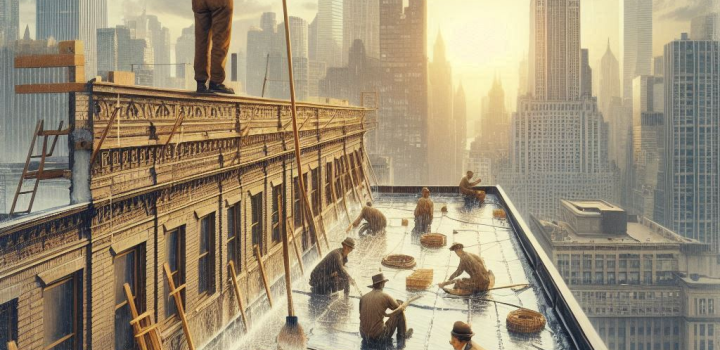
Waterproofing, on the other hand, was always driven by functional need—from the bitumen applied to ancient Babylonian buildings to sophisticated polyurethane membranes. The early remedies such as tar or pitch were crude but effective at stopping water from entering foundations or roofs. Advanced chemical engineering has optimized these approaches to synthetic polymers (such as polyurethanes) that create durable layers able to both stop water and UV attacks directly onto concrete. In the past century, it has become apparent that painting and waterproofing share synergy, yet each has its own distinct orientation.
Key Distinctions Between Waterproofing and Painting
Chemical Composition and Goals
Paints consist mainly of pigments, binders (usually acrylic or latex for water-based paints), and additives providing sheen or drying characteristics. They are meant to add aesthetics, although there are specialty paints that provide fair resistance to UV or moisture.
Waterproofing products, by contrast, are resinously filled with elastomers, polymers (such as polyurethane), and dedicated fillers. They aim to form a physical or chemical barrier to water penetration. Some solutions also contain UV stabilizers that reflect or absorb damaging ultraviolet radiation—shielding the surface itself and the waterproof layer from photodegradation.
Performance Criteria: Beauty vs. Barrier
The performance of a paint is tested in terms of color retention, consistency, and its capacity to conceal defects. Waterproofing products, on the other hand, are tested for water resistance, flexibility, tensile strength, and reflectivity from UV. This highlights a fundamental difference in their operational purposes.
Durability Under UV Rays and Moisture
Plain exterior coatings do fade or chalk with the passage of time when they are exposed to direct UV radiation, particularly if they are not specially made. Although high-quality exterior paints do have UV-resistant additives, they rarely achieve the protective performance of polyurethane coatings that actively prevent water penetration and inhibit concrete degradation.
Common Application Areas
· Painting: Interior and exterior walls, trim, decorative surfaces, focus on getting a good finish.
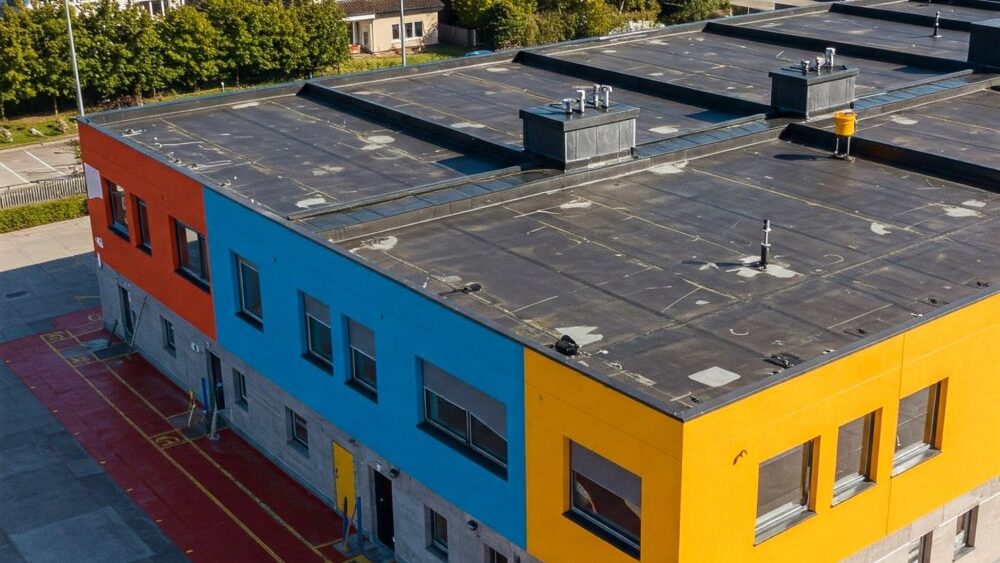
· Waterproofing: Basements, foundations, terraces, bathrooms, or roofs—where structural integrity and avoiding leaks are most important. Polyurethane, in fact, finds widespread application on roofs to battle heat and rain at the same time.
Painting: The Aesthetic Coating
Role of Paints in Enhancing Appearance
Paint is the initial impression of any structure. Color, texture, and finish define the architectural aesthetic—modern simplicity or country quaintness. Interior paints are a matter of occupant taste, while exterior paints assist in blending buildings into their surroundings or corporate identity. While painting can cover minor imperfections, its greatest asset is visual change.
Selection Criteria: Pigments, Binders, and Sheen
1. Pigments: Supply color and coverage. High-quality pigments guarantee fade resistance when exposed to moderate UV radiation.
2. Binders: Generally acrylic or vinyl, binders control paint adhesion and film formation.
3. Sheen: Gloss, semi-gloss, or matte sheens produce varying aesthetic appearances and ease of cleaning.
In exterior use, the selection of UV-resistant paints will postpone fading. Such coatings, though, tend to remain less protective than dedicated polyurethane or elastomeric membranes in terms of water infiltration.
Paints Under UV Exposure
Ultraviolet light progressively degrades binders and destabilizes some pigments. Fading, chalking, and slight surface cracking are typical consequences. While numerous contemporary exterior paints include UV-protectant additives, they do not usually provide the significant infiltration barrier or reflection that polyurethane treatments deliver.
Maintenance and Recoating Cycles
Despite sophisticated formulations, paint must periodically be recoated—frequently every 3–5 years on exteriors, although this is weather, color, and quality dependent. Warmer temperatures speed up paint degradation, particularly under intense UV exposure. On-time recoating preserves a building’s visual appeal but doesn’t significantly deter or correct problems such as leaks or further structural cracking.
Waterproofing: The Protective Coating
Basic Significance of Waterproofing
Water entry weakens structural stability, causing cracks, mold, and corrosion of reinforcement. Waterproofing, therefore, is not only a discretionary finish but a necessity in engineering. An executed waterproofing system protects substrates—especially concrete—from UV and water attacks, directly safeguarding them for many years.
Threats: Ultra Violet Rays Damages to Concrete
Concrete is seen as robust, but UV light destroys some of the chemical bonds in its outer layers, particularly if there is no protective coating. The radiation of the sun can make micro-cracks or bleach any pigmented or aesthetic overlay. As soon as microscopic pathways become available, rain or seepage can speed up more severe structural damage.
Protection of Polyurethene Coating: A Barrier Against Leaks, Cracks, and Waterborne Damages
Polyurethane coatings are unrivaled among waterproofing coatings, owing to characteristics such as flexibility, elevated stability, and chemical resistance. Applied over a primed clean surface, polyurethane is a continuous film that spans over hairline fissures and impedes water intrusion. The high reflective index present in advanced polyurethane systems also helps to reflect UV light, thereby also serving as an insulating visible barrier. The synergy effectively:
· Isolates water from penetrating through micro-fissures.
· Protects the underlying concrete from solar radiation.
· Reduces thermal expansion due to severe sunlight.
Reflection of Sunlight and UV Rays by the Polyurethene Coating
One of the main innovations in current waterproofing is the addition of UV-reflective particles into the polyurethane matrix. This reflection:
· Reduces surface temperature on roofs or terraces, lowering thermal stress.
· Slows the rate of photo-degradation for the coating itself.
· Helps in energy savings by reducing heat absorption.
Multiple Use for Heat and Rains
In addition to repelling water, the reflective property of polyurethane makes it ideal for fending off excessive heat—a feature prevalent in summer. The two properties come in handy, particularly for rooftops or exposed terraces, where the coat withstands scorching sunshine and torrential rains, maintaining the functional integrity of the concrete.
Excellent Durability, High Stability, and High Reflective Index
The chemistry of polyurethane gives it a long service life, particularly if used correctly. Its elasticity allows for small structural movement without cracks in the membrane. Coupled with a high reflective index, it offers a multi-faceted solution that repels water and UV attacks directly to the substrate. Overall, polyurethane is a powerful waterproofing and protective solution that outshines painting in structural protection.
Interplay of Painting and Waterproofing in Construction
Layering Strategy: Protective First, Aesthetic Second
The best strategy is to apply waterproofing coatings initially—on new concrete or cleaned surfaces—and later paint or use decorative finishes. This protects the building from inside out.
· Example: A roof can be given a polyurethane waterproof membrane and then a UV-stable paint if color or certain design requirements are needed.
· Result: The design remains secure from penetration while still achieving the intended visual flair.
Complementary Roles in Building Endurance
Painting by itself provides very little protection against moisture, whereas a waterproof membrane by itself may not be aesthetically pleasing. Through their combination, owners benefit from both the visual appeal and substantial durability against the elements.
Bypassing Popular Misconceptions
A few think one application of waterproof paint is the answer to all infiltration problems. In practice, real effective waterproofing systems are often based on professional membranes or elastomeric coatings such as polyurethane. Typical decorative paints sold as “weatherproof” may suffice with light conditions but do not constitute effective protective means for heavy rainfall or high UV.
Conclusion
Painting and waterproofing share a common trait: they both involve applying a coating. Yet their aims and outcomes diverge sharply. Painting is about aesthetics—transforming surfaces with pleasing hues or creative finishes—while waterproofing is about protection, specifically against UV rays, moisture infiltration, and environmental degradation.
For concrete-constructed structures, or even others with substrates other than concrete, having a protective membrane—more so based on polyurethane—is the key to leakage, cracking, and other water-borne damage prevention. Having multiple functions to perform with regards to heat and rains, such coatings have remarkable durability, superior stability, and innovative features such as UV Rays reflection from the building surface. When blended judiciously with a decorative paint coating, structures realize both an aesthetically pleasing surface and a strong protection from environmental factors.
Summer is found to be the ideal season in which to install waterproofing measures because of the dryness and elevated temperatures favoring rapid curing and maximum adhesion. Alternatively, wet or cold conditions predispose to imperfect bonding or the entrapment of moisture behind the membrane.
In the end, painting and waterproofing are both critical components of contemporary construction. Knowing they are distinct means stakeholders apply the correct solution in the correct instance—beauty where beauty is wanted, protection where protection is required. Well-applied, they work in concert to maintain our built environment’s longevity, functionality, and appeal for decades to come.
Waterproofing has been an essential aspect of human civilization, safeguarding structures and possessions from the elements for thousands of years. This journey spans from ancient techniques to modern innovations, highlighting the constant quest for protection and durability.
Early Beginnings: The Dawn of Waterproofing
The origins of waterproofing date back to 13,000 years ago when early humans sought ways to protect their shelters from rain, wind, and storms. This primal need for protection laid the foundation for the development of waterproofing techniques.
The Agricultural Revolution: A Turning Point
With the Agricultural Revolution, humans transitioned from a nomadic lifestyle to more permanent settlements. The need to store and protect surplus grain from moisture led to the first waterproofing methods. Straw and clay were used to seal storage facilities, while ceramics were coated with bitumen for water resistance.
Neolithic Innovations: Waterproofing for Exploration
During the Neolithic Revolution, the rise of water transportation necessitated waterproofing for primitive boats. Bitumen emulsion was applied to the wood and other materials, making boats reliable for exploration, fishing, and trading.
Ancient Civilizations: Egypt and Rome
In Ancient Egypt, waterproofing reached new heights. The Great Pyramid of Giza, built around 3600 BC, showcased advanced waterproofing techniques using bitumen emulsion and dry reed fibers. This ensured the pyramid’s interior remained dry despite annual Nile floods.
The Romans further advanced waterproofing by using opus signinum, a mixture of lime, sand, and crushed pottery, for their aqueducts, cisterns, and thermal baths. Their robust waterproofing methods ensured these structures’ longevity, many of which stand to this day.
Medieval Times: Castles and Cathedrals
During the Medieval period, waterproofing evolved with the construction of great cathedrals and castles. Techniques included gabled roofs for efficient rainwater runoff, terracotta tiles, dense masonry, and lime mortar. Medieval builders also used oils, resins, and lead coatings to protect wooden structures and roofs.
The Industrial Revolution: Birth of Modern Waterproofing
The 19th century Industrial Revolution brought significant advancements in waterproofing. New materials like asphalt, rubber, and galvanised iron were introduced. Asphalt sheets and waterproof paints became common, while Portland cement provided durable underwater construction.
20th Century: Innovations and Technologies
The 20th century saw a boom in waterproofing innovations. EPDM membranes, PVC and TPO membranes, and liquid membranes offered durable and flexible solutions. Geotextiles, bentonite, and crystalline polymers provided advanced protection for foundations and basements. Modern sealants, resins, and epoxies further enhanced waterproofing capabilities.
21st Century: Sustainable Solutions
Today, waterproofing continues to evolve with a focus on sustainability. Polyurea and polyurethane liquid membranes represent the forefront of modern waterproofing technology. These coatings provide rapid application, flexibility, strong adhesion, and long-term durability. They form seamless, continuous barriers that adapt to structural movements, ensuring comprehensive protection.
Conclusion
From ancient Mesopotamian bitumen coatings to modern polyurea membranes, the history of waterproofing reflects humanity’s relentless pursuit of better living conditions. Waterproofing has protected our structures, preserved our history, and ensured our safety. As we continue to innovate, the future of waterproofing promises even greater advancements in protection and sustainability.
In the realm of modern construction, materials and technologies must not only fulfill their primary function but also contribute to the overall sustainability and efficiency of buildings. Polyurethane, traditionally known for its waterproofing prowess, has now evolved into a material that offers a dual shield against both moisture and excessive heat. This advancement signifies a paradigm shift towards creating structures that are resilient, energy-efficient, and comfortable.
Understanding Polyurethane’s Role in Construction
Polyurethane is a versatile polymer that’s swiftly carved a niche in the construction industry. Its use spans a gamut of applications, ensuring buildings are not just resistant to water penetration but also insulated against heat.
The Waterproofing Wizard
As a waterproofing agent, polyurethane stands out for its exceptional ability to create seamless barriers on various substrates. From roofing to underground tunnels, it provides a durable coat that withstands harsh conditions. Its application is precise and adaptable, sealing gaps, and preventing leakage with unmatched efficacy.
The Heat Resistance Hero
The introduction of heat-resistant characteristics to polyurethane coatings is a groundbreaking development. These specialized coatings are engineered to deflect solar radiation, reducing thermal absorption, and maintaining cooler building surfaces. They act as a reflective shield, contributing to lower indoor temperatures and enhanced occupant comfort.
Delving Into the Dual Benefits of Polyurethane
Here’s a closer examination of how polyurethane serves as a dual-action solution for modern buildings:
Preparatory Perfection: Successful waterproofing and heat resistance begin with meticulous substrate preparation. Ensuring the substrate is free from contaminants and defects is critical to the overall performance of the polyurethane application.
The Insulating Innovator: Sprayed polyurethane foam is a revolutionary insulator. It provides excellent thermal resistance and fills in crevices, forming an uninterrupted insulative layer that also serves as a moisture barrier.
Liquid-Applied Luminary: A liquid-applied waterproofing membrane encapsulates dual benefits with an aromatic basecoat and an aliphatic topcoat. This innovative approach ensures UV stability and longevity, along with waterproof integrity.
Evidential Excellence: The Proof in the Protection
The dual advantages of polyurethane in both waterproofing and thermal insulation have been well-documented. Buildings treated with these systems showcase significant energy savings and enhanced comfort. Field studies demonstrate a marked decrease in indoor temperatures and long-term structural protection, solidifying the role of polyurethane as a comprehensive building safeguard.
Conclusion: The Future of Building Protection
As we embrace a future where buildings are expected to be smart and multifunctional, polyurethane has emerged as a quintessential material. It’s a testament to the industry’s innovative direction—where the health of the occupants and the planet are given paramount importance. Adopting polyurethane as part of your building’s protective arsenal is not just a choice but a decisive step towards a resilient and sustainable built environment.
In the pursuit of creating habitable spaces that stand the test of time and climate, polyurethane is not merely a material—it’s a promise of enduring protection and comfort.
In the quiet corners of your home, unseen forces may be at play, impacting the well-being of your loved ones. Dampness, mold, and dust—often dismissed as mere nuisances—can, in fact, be formidable adversaries to our health. By Waterproofing, we believe that protecting your home from these silent invaders is not just about maintenance—it’s about safeguarding your family’s health and ensuring a vibrant living space. Dive into the depths of home health hazards and discover how waterproofing provides the armor your home needs.
The hidden hazards lurking in our homes often go unnoticed until they manifest as health issues that affect our quality of life. Let’s explore ten ways in which the dampness, mold, and dust stemming from various parts of our homes, including walls, roofs, swimming pools, and water tanks, can compromise our health:
Respiratory Troubles: Mold spores from damp walls or water-damaged roofs can trigger severe respiratory issues, ranging from wheezing and shortness of breath to full-blown asthma attacks. Continuous exposure to mold can even lead to the development of chronic respiratory conditions.
Allergy Aggravation: Moist environments create a haven for dust mites, a major allergen for many. These microscopic pests exacerbate allergic symptoms, causing sneezing, runny noses, and itchy eyes.
Skin Concerns: Damp conditions are the perfect breeding ground for bacteria and fungi, leading to skin infections, rashes, and exacerbation of eczema, particularly in areas with compromised skin barriers.
Nasal Woes: The spores from mold found in humid areas like bathrooms and leaky basements can cause persistent nasal congestion and even lead to chronic sinusitis, an inflammation of the air cavities within the passages of the nose.
Ocular Irritation: Mold-associated allergens are notorious for causing eye irritation. This can range from a slight itchiness to severe redness and swelling, commonly referred to as allergic conjunctivitis.
Chronic Throat Irritation: Mold and dust can irritate the throat, leading to a persistent sore throat that can affect sleep quality, daily communication, and overall comfort.
Immune System Compromise: Prolonged exposure to mold can have a subtle yet profound impact on the immune system, leaving individuals more susceptible to infections and illnesses.
Unending Coughs: A leaky roof or wall can lead to a constant tickle in the throat, resulting in a cough that just won’t quit, disrupting daily life and sleep patterns.
Undue Fatigue: Poor indoor air quality from airborne mold and dust particles can contribute to a pervasive sense of fatigue, making even the most routine tasks seem arduous.
Structural Health Risks: Beyond health, unchecked moisture can undermine the structural integrity of your home, turning it into a hazardous environment.
Waterproofing confronts these issues head-on with comprehensive solutions designed to preserve both the strength of your home and the health of its inhabitants:
Robust Seals: By meticulously sealing points of potential leakage, ensures that walls, roofs, and other critical areas are kept dry, halting mold growth in its tracks.
Moisture Barriers: Waterproofing treatments create an impenetrable barrier against moisture, preventing it from seeping into the nooks and crannies that mold calls home.
Purified Air Quality: By banishing dampness, significantly lower the population of dust mites and mold spores, leading to cleaner air and fewer airborne irritants.
Structural Fortification: A home fortified against water ingress stands strong against time and the elements, safeguarding your living space from potential health hazards linked to structural weakness.
Aesthetic Preservation: Waterproofing isn’t just functional—it’s aesthetic. By protecting your home against dampness, help maintain its beauty, ensuring that it remains a source of pride and joy.
Your home should be your haven, not a source of health concerns. With Waterproofing, it’s possible to transform your living space into a bastion of health and durability. Our mission extends beyond the physical structure to encompass the well-being of those within. By waterproofing, you choose to crafting a home that stands the test of time, in strength, beauty, and health. The decision to waterproof your home is more than a choice—it’s a commitment to a lifetime of healthful living.
In an era where our homes are not just living spaces but sanctuaries that reflect our lifestyle and aspirations, the importance of waterproofing cannot be overstated. Beyond the basic function of keeping water out, waterproofing plays a pivotal role in the overall integrity, safety, and comfort of our homes. This comprehensive discussion delves into the multifaceted reasons why waterproofing is an indispensable part of home maintenance and construction.
The Crucial Need for Waterproofing Homes
1. Structural Integrity and Durability
At the core of waterproofing is its capacity to significantly bolster the structural integrity of buildings. Scientifically, water’s ability to penetrate concrete or masonry can initiate a process known as the freeze-thaw cycle. This cycle, where water infiltrates, freezes, and expands, can cause significant cracking and weakening of structures over time. A well-implemented waterproofing system acts as a barrier, mitigating the risks of this cycle and extending the lifespan of the building’s core materials.
2. Health Implications and Indoor Air Quality
The relationship between moisture in buildings and the health of its occupants is a well-established concern in scientific literature. Excess humidity can foster the growth of mold and mildew, microorganisms that release spores and volatile organic compounds (VOCs) into the air. These biological pollutants are linked to a wide range of health issues, from respiratory infections to exacerbation of asthma. Waterproofing minimizes moisture accumulation, directly contributing to healthier indoor environments and reducing the risk of mold-related health problems.
3. Protection of Assets and Interior Comfort
Beyond structural and health concerns, waterproofing plays a crucial role in protecting personal belongings from water damage. The science behind material degradation due to moisture is clear: water can warp wood, corrode metals, and ruin fabrics. By effectively waterproofing homes, we shield our possessions from irreversible damage, ensuring their longevity and maintaining the aesthetic and functional qualities of our interior spaces.
4. Energy Efficiency and Thermal Regulation
The intersection of waterproofing and energy efficiency is particularly significant in the context of thermal regulation. Moisture presence within walls can disrupt the thermal envelope, leading to increased heat loss in winter and heat gain in summer. Scientific studies highlight how waterproof barriers contribute to maintaining consistent indoor temperatures, reducing the need for heating and cooling. This not only lowers energy consumption but also contributes to a more sustainable and cost-effective home environment.
5. Enhancement of Property Value
From a scientific standpoint, the benefits of waterproofing extend to the preservation and enhancement of property value. A structure that is well-protected against water damage is more likely to retain its structural integrity and aesthetic appeal over time. This resilience translates into higher property values, as potential buyers recognize the long-term benefits of a home that has been meticulously maintained and safeguarded against the elements.
Conclusion
The science of waterproofing presents a compelling argument for its critical role in construction and home maintenance. By understanding the underlying principles and real-life benefits, homeowners can make informed decisions that ensure the safety, efficiency, and longevity of their living spaces. Waterproofing is not just a preventive measure but a foundational aspect of responsible homeownership, offering peace of mind and tangible benefits that resonate well beyond the immediate present. In embracing waterproofing, we commit to creating homes that stand the test of time, embodying resilience and sustainability in every layer.
Water is the essence of life, but when it comes to the structures we live and work in, unwanted water infiltration can spell disaster. We should understand the critical nature of keeping water where it belongs – outside our buildings. This article delves into the common causes of waterproofing failures and how innovative solutions can preserve the integrity of your constructions.
The Silent Culprit Behind Structural Deterioration
Waterproofing failures are a silent yet pervasive issue affecting countless buildings worldwide. These failures do not just result in aesthetic damage but can compromise the structural integrity of buildings, leading to significant financial losses and safety hazards. The causes of these issues are multifaceted, ranging from the selection of materials to the execution of waterproofing techniques.
1. Poor Quality Materials: The Foundation of Failure
The cornerstone of any successful waterproofing strategy lies in the quality of materials used. Unfortunately, the market is flooded with subpar waterproofing products that promise much but deliver little. These materials can degrade rapidly, losing their waterproofing properties and leaving structures vulnerable to water damage.
2. Flawed Application Techniques: When Good Products Fail
Even the best waterproofing materials can fail if not applied correctly. Inadequate surface preparation, incorrect application methods, and failure to follow manufacturer instructions can all lead to waterproofing failures. It’s not just about having the right tools; it’s about using them properly.
3. Environmental Stress: Nature’s Test
Buildings are exposed to a variety of environmental stresses that can test the limits of any waterproofing system. From extreme temperature fluctuations to relentless rain and humidity, these conditions can exacerbate existing vulnerabilities or reveal new ones. A successful waterproofing system must be resilient enough to withstand these challenges.
The Solution: Waterproofing Excellence
Waterproofing should not be an afterthought but a fundamental aspect of building design and construction. The approach to combating waterproofing failures includes:
Selection of High-Quality Materials: Source only the best waterproofing materials, proven to withstand the rigors of time and environmental exposure.
Expert Application: Use the best application techniques, ensuring that every project meets it’s needs particularly considering the structural properties, the exterior properties and the style of construction.
Adaptation to Environmental Conditions: Waterproofing solutions should be tailored to the specific environmental challenges of each project, ensuring long-lasting protection.
Ongoing Support and Maintenance: Waterproofing is not a one-time task but an ongoing commitment which requires support and maintenance services to ensure structures remain dry and secure.
Conclusion
Understanding the causes of waterproofing failures is the first step towards protecting our structures from “rolling down tears.” We should ensure to have innovative, reliable waterproofing solutions that stand the test of time. Whether you’re constructing a new building or retrofitting an existing one, waterproofing is a necessity.