
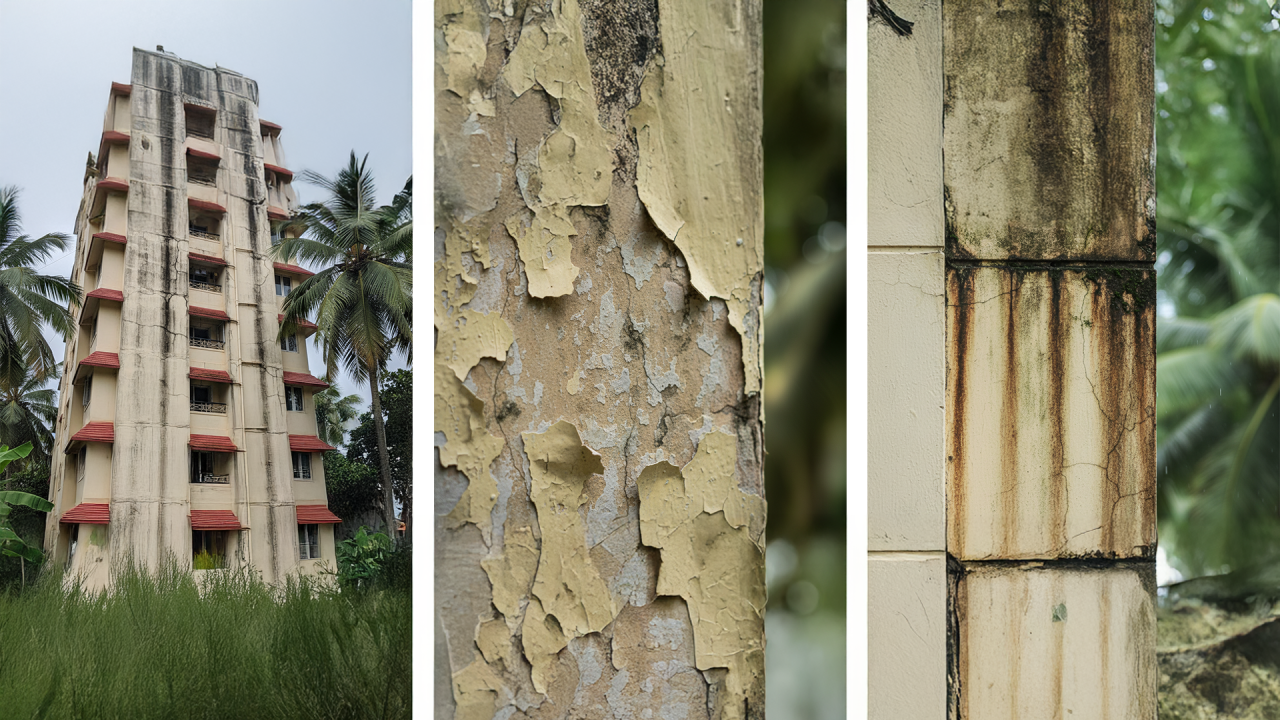
Water: The Invisible Foe
High-rise buildings in tropical climates encounter a persistent, yet silent, enemy: Water. Water can infiltrate buildings through cracks, porous materials, and poorly sealed joints. Regardless of how water enters, it will create dampness, blisters, and/or condensation, as well as mold and/or corrosion. Each of these problems diminishes the safety, comfort, and well-being of those who live or work in the building, not just the building itself.
The Cost of Poor Choices
It may be tempting to select the cheapest option for a building’s waterproofing. After all, it’s going to be a hidden layer, isn’t it? But the truth is different. Repairing damage caused by inadequate waterproofing (which may include but is not limited to design problems, poor construction practices, and violation of technical guidelines) can cost 3–10 times the original installation costs. Budget-driven solutions may save you money today, but your headache tomorrow will certainly add up.
Making Smart Choices
Choosing the right waterproofing system should not be a simple outcome of picking a material. There are multiple impacts to evaluate, such as technical performance, quality of material, suitability of the contractor, climatic conditions in the area, and more, when evaluating a waterproofing system. Tools like the Best Worst Method (BWM) help decision-makers organize and evaluate all of these types of considerations to ultimately prioritize what is most important. This approach also allows the decision-makers to reduce any guesswork and find a solution that meets the specific needs of the built environment.
Invest Early, Protect an Investment Forever
Waterproofing a building is a lot like the foundation of a building; it brings real value to the building at the very beginning. Early planning, quality of material, and professional installation combined during the design phase can mitigate or deter types of leaks or structural damage, which can lead to costly remedial work down the road. When professionals deal with waterproofing in relation to one another all at one time, it means a better solution will protect the building while also protecting the means of investment, paths of maintenance costs down the road, and providing a safe, comfortable, healthy environment for occupants.
Conclusion
Issues attributed to water may be hard to define at first. However, the overall impact can be very damaging and costly. The amount of a small investment into durable and appropriate waterproofing systems is marginal to the types of financial, structural, and health damages that can be avoided. High-rise buildings and buildings in specific locations that are tropical in nature deserve durable, well-planned, and appropriate waterproofing systems.
Banwet helps ensure high-rises stay safe, dry, and long-lasting with the right waterproofing solutions.
(This article is based on the research paper: “Developing a Waterproofing Decision-Making Model for High-Rise Building Projects in the Tropics,” published in the journal Buildings by Helapura Nuwanshi Yasodara Senarathne, Ashan Senel Asmone, and Michael Yit Lin Chew.)